
One of my favourite books is “What I Talk About When I Talk About Running“.
I have read most of Haruki Murakami‘s books.
But this autobiographical non-fiction book is my special favourite.
I have read it maybe 4 -5 times.
Here he chronicles his journey as a marathon runner.
It’s a training log and memoir.
And he also talks about his writing process.
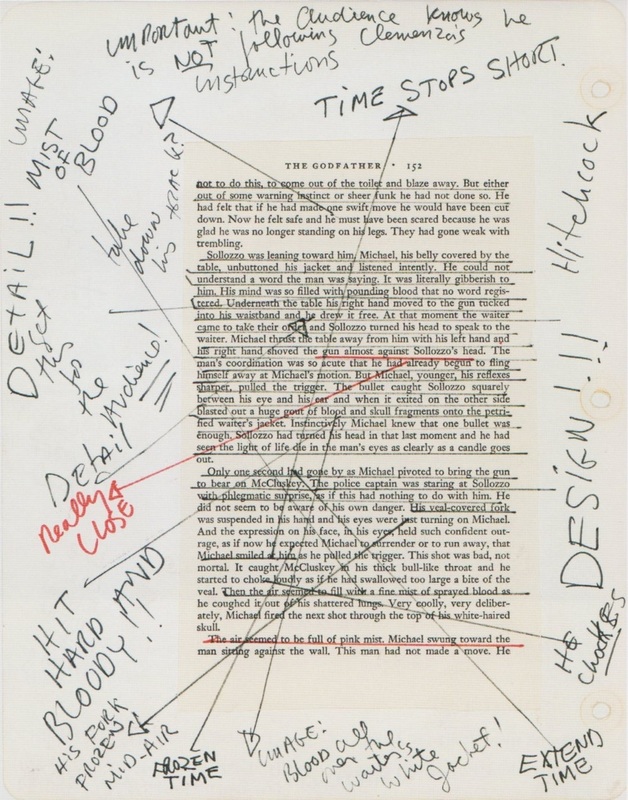
I am always interested in knowing the rituals, habits and practice of creative professionals.
And we get a glimpse of precisely that in this book.
He talks about two critical ingredients necessary for creating memorable works.
Here, in his own words…
“Focus: The ability to concentrate all your limited talents on whatever critical at the moment.
Without that you can’t accomplish anything of value, while if you can focus effectively, you’ll be able to compensate for an erratic talent or even a shortage of it.
I generally concentrate on work for three or four hours every morning.
I sit on my desk and focus totally on what I am writing.
I don’t see anything else!
Endurance: If you concentrate on writing three or four hours a day and feel tired after a week of this, you’re not going to be to write a long work.
What needed for a writer of fiction – at least one who hopes to write a novel – is the energy to focus everyday for half a year, or a year or two years.
Fortunately these two disciplines – focus and endurance are different from talent, since they can be acquired and sharpened through training.
You’ll naturally learn concentration and endurance when you sit down at your desk and train yourself to focus on one point.
You have to continually transmit the object of your focus to your entire body, and make sure it thoroughly assimilates the information necessary for you to write every single day and concentrate on work on hand.
And generally you’ll expand the limits of what you are able to do.
Almost imperceptibly you’ll make the bar rise.
Add a stimulus and keep it up.
And repeat.
Patience is a must in this process, but I guarantee the result will come.
Writers who aren’t blessed with much talent – those who barely make the grade – need to build up their strength at their own expense.
They have to train themselves to improve their focus, to increase their endurance.
To certain extent they are forced to make these qualities stand in for talent.
And while they are getting by on these, they may actually discover real, hidden talent within them.
They are sweating, digging out a hole at their feet with a shovel, when they run across a deep secret water vain.
It’s lucky thing, but what made this good fortune possible was all the training they did that give them strength to keep on digging.
I imagine the late blooming writers have all gone through a similar process.”
– From the book “What I Talk About When I Talk About Running” by Haruki Murakami.






 krishnendu sarkar